
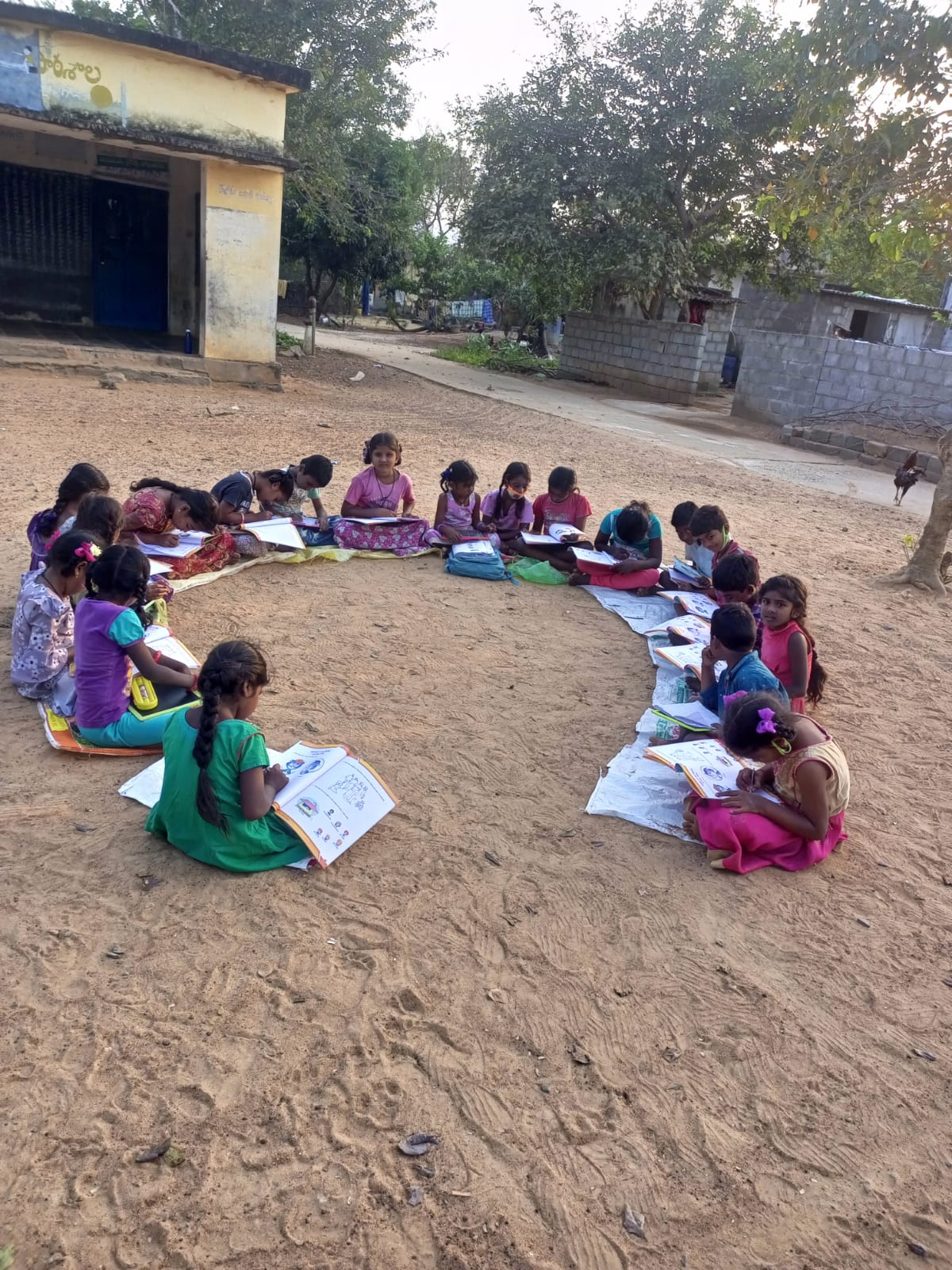
Foundational Literacy through Village Learning Centers
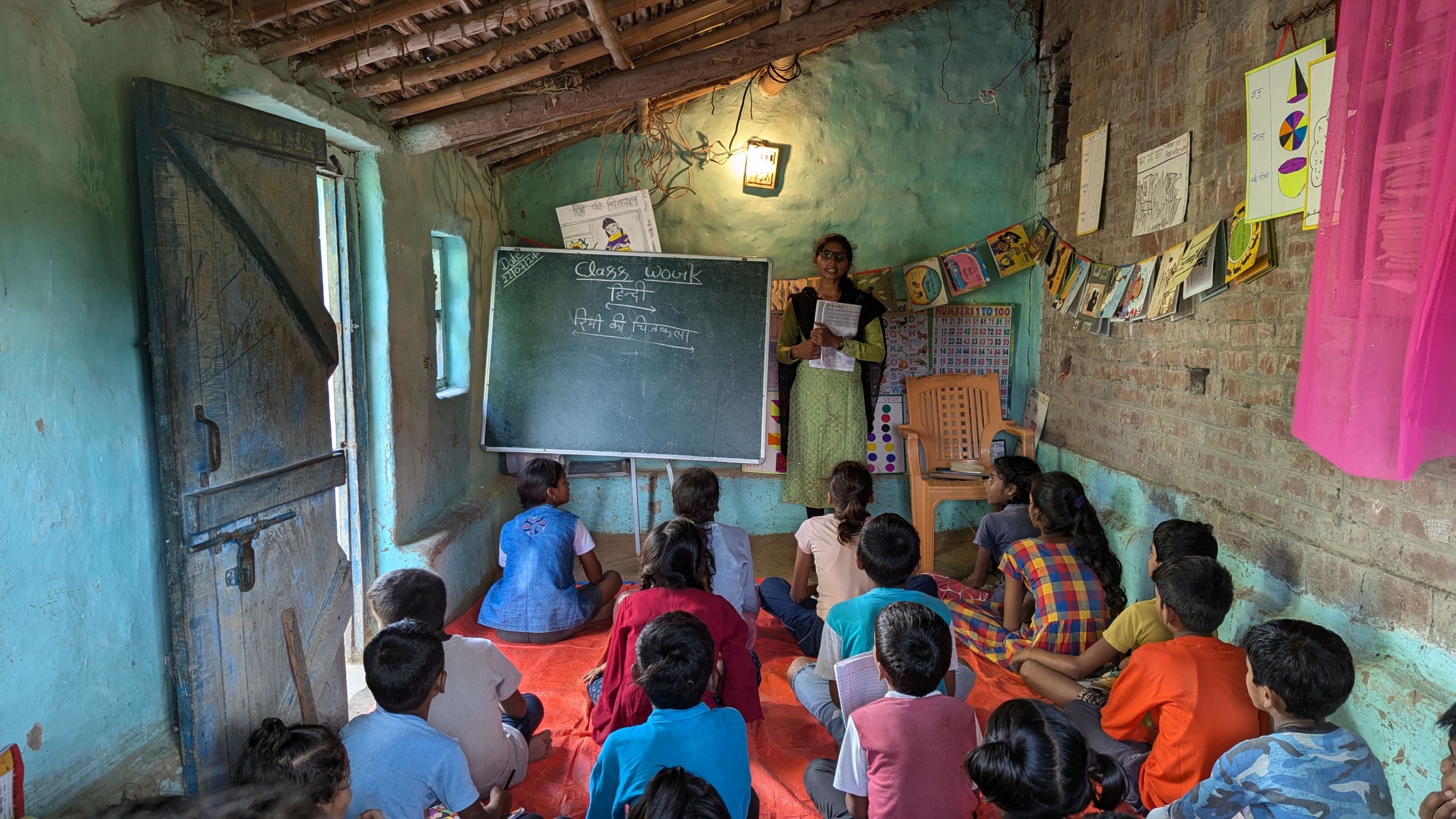
Across 40 village learning centres in Odisha, children begin their day with a small but important step — showing up to learn. Most come from nearby hamlets, often with gaps in their foundational skills. Some struggle to read simple text in Odia, others find basic math difficult. This is where the Vidya Saathis come in. Each Vidya Saathi works closely with a group of 20-35 children, following a structured plan: 70 hours of focused learning spread over 12 weeks.
A child who can’t read by Grade 3 will struggle with everything that follows
India’s National Education Policy 2020 calls foundational literacy and numeracy the “highest priority.” A child who cannot read a simple sentence or do basic subtraction by Grade 3 will fall behind in every subject, year after year. The government’s NIPUN Bharat mission has set a target of universal foundational literacy by 2026-27. Yet ASER 2023 data shows that over a quarter of Grade 3 students in rural India still cannot read a Grade 1 text.
In many communities where ILP works, the school day alone is not enough. Teachers are stretched across multi-grade classrooms. Children arrive without pre-reading and pre-math skills. They need additional, targeted support — at their actual learning level, not the grade they are enrolled in.
Community-based learning, led by local volunteers, at every child’s level
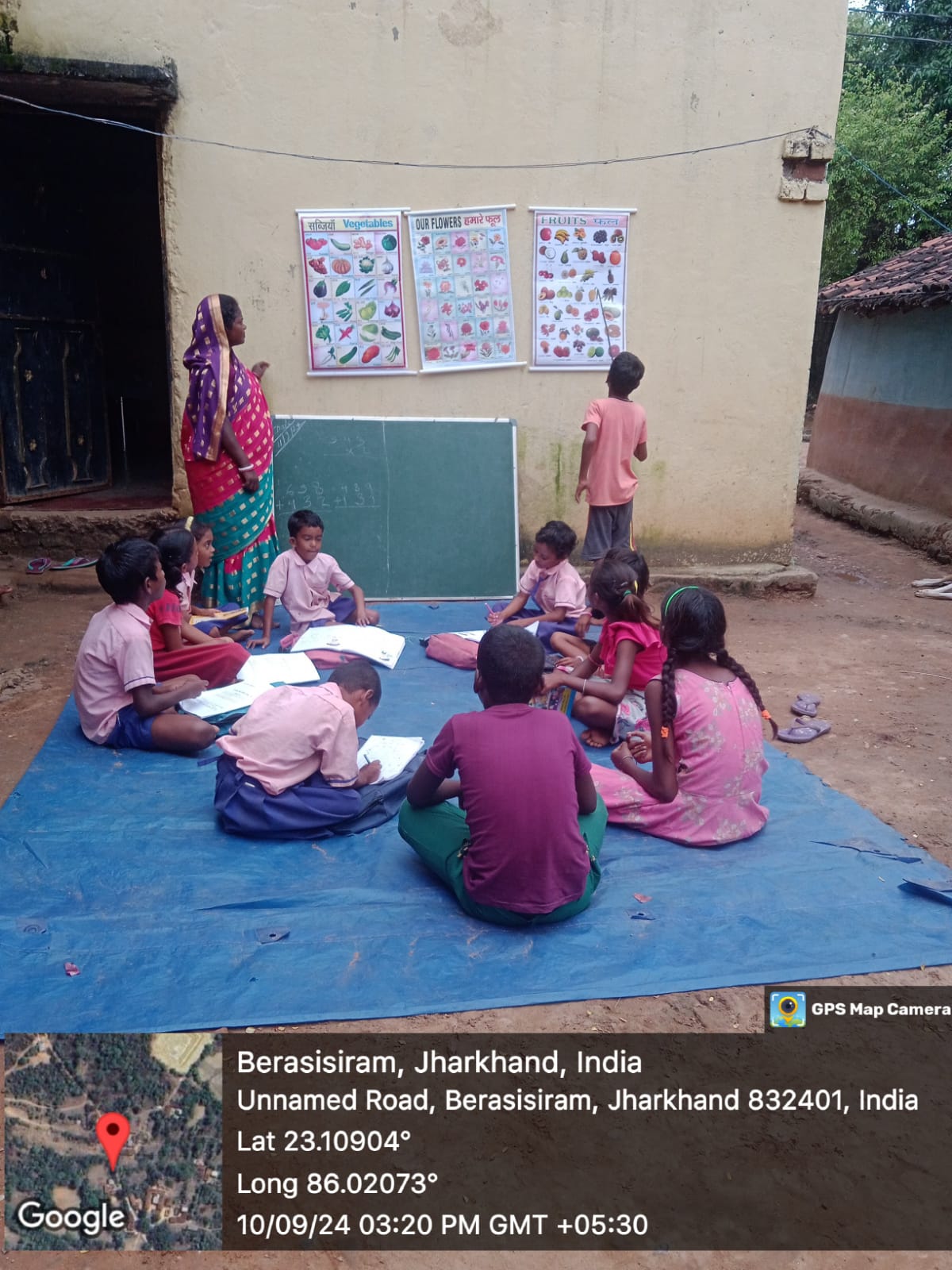
ILP’s Village Learning Centers (VLCs) are community-based spaces where 20-35 children receive targeted foundational literacy and numeracy support outside school hours. Each center is run by a Vidya Saathi — a village-level volunteer that ILP partners actively recruit and train.
Vidya Saathis
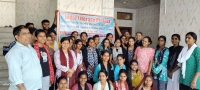
Village-level volunteers recruited and trained by ILP partners. They know the children, speak their language, and connect with families in ways outside educators cannot. Every Vidya Saathi is continuously guided by ILP’s NGO partners.
Teaching at the Right Level
Children are grouped by their actual reading and math ability, not their grade. A Grade 4 child who can’t read is placed with beginning readers and moves up as they improve.
ASER-based assessment
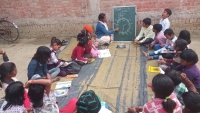
Reading and math levels are assessed at baseline and tracked periodically using the ASER methodology — the same framework used by Pratham and India’s largest education survey.
Community-rooted spaces
VLCs operate in spaces set up through local contributions — community halls, courtyards, or open areas. Vidya Saathis supplement teachers’ and parents’ efforts.
From identifying a village to children reading independently
Here’s how a Village Learning Center is set up and sustained.
Village selection & community mobilisation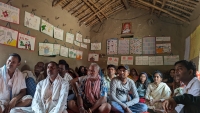
ILP identifies villages where government schools serve first-generation learners and foundational skills are weakest. Community meetings build trust and bring children together.
Recruit & train Vidya Saathis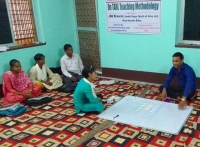
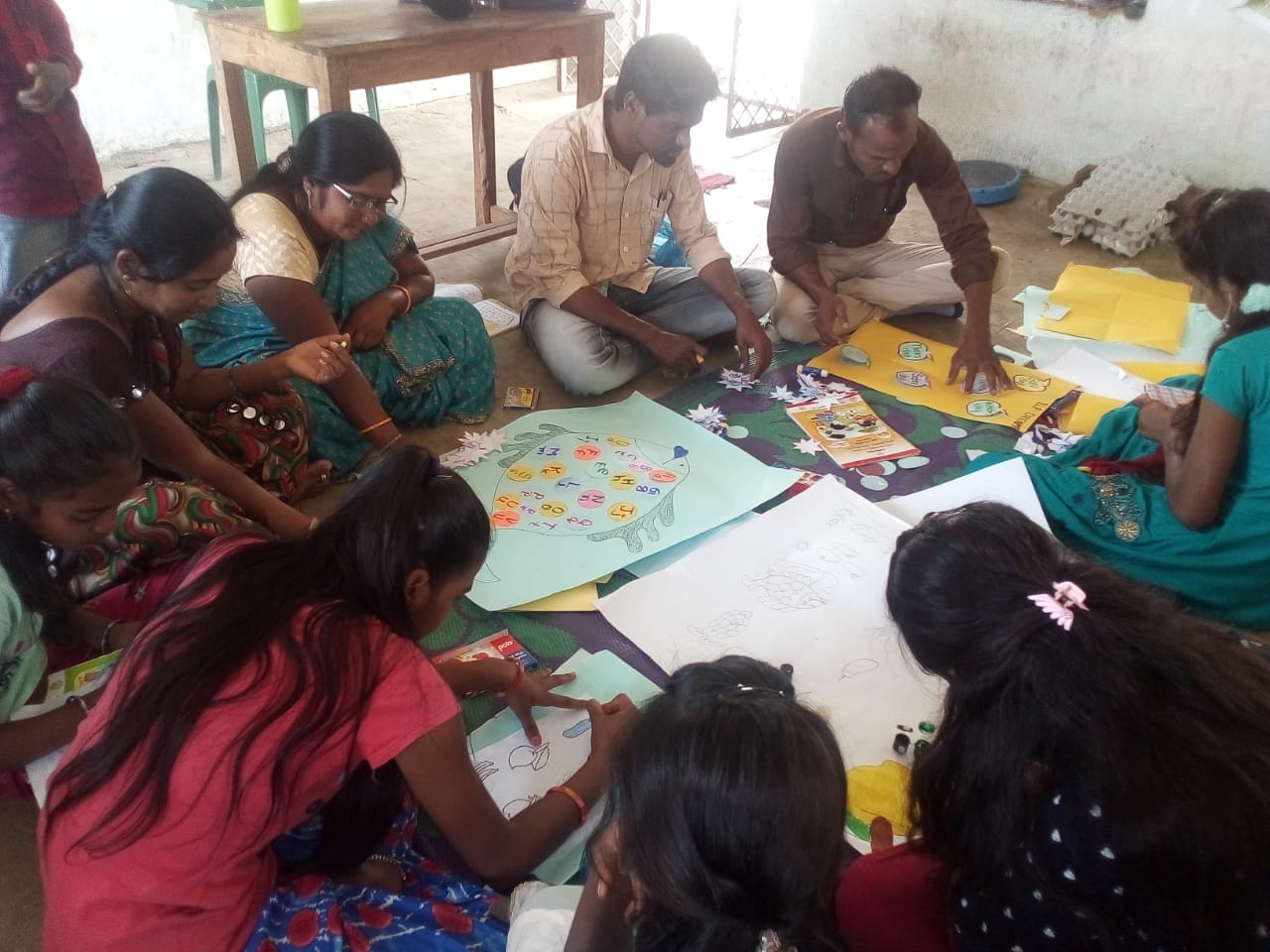
Anganwadi teachers and community members help identify local resources. ILP partners train them on foundational literacy methods, ASER tools, and activity-based teaching.
Baseline assessment & grouping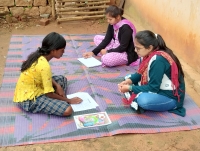
Every child is assessed using ASER tools to determine their current reading and math level. Children are grouped by ability — not age or grade.
Structured learning sessions — 70 hours over 12 weeks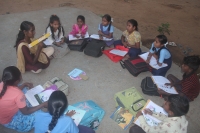
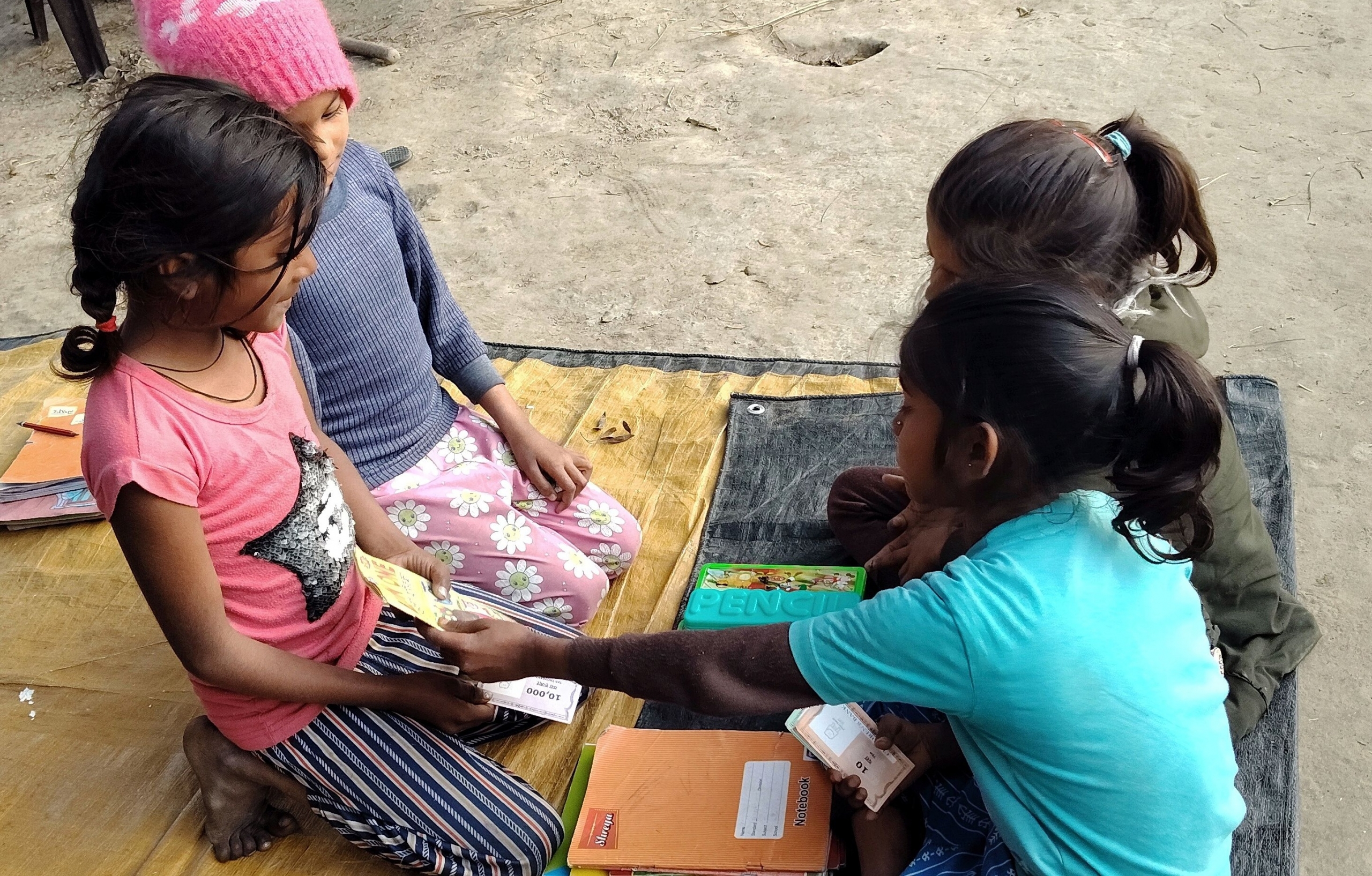
Vidya Saathis run daily sessions after school hours. Activities include letter recognition games, reading practice with graded story cards, oral storytelling, and basic arithmetic with physical counters.
Ongoing support & community ownership
ILP field coordinators visit VLCs regularly to observe and coach. Over time, VLCs become community-owned institutions — families and village elders take active ownership.
Children reading who couldn’t before
Results from ILP Village Learning Centers across Odisha, Andhra Pradesh, Madhya Pradesh, and Jharkhand
There are no shortcuts here. Just consistent effort, daily practice, and a Vidya Saathi who stays with each child through the process.
Aligned with India’s national mission — and going beyond academics
ILP’s VLC model directly supports the Government of India’s NIPUN Bharat mission for universal foundational literacy. In Pallahara Tehsil, Odisha — an isolated tribal pocket — the Sub-Collector recognised the relevance of ILP’s approach and issued directions to the Block Education Officer and CDPO to extend full departmental support.
Vidya Saathis’ impact extends beyond the classroom. They are trusted advocates for children’s rights. Through NGO partner ROSA, a young girl’s courage and timely intervention stopped an underage marriage. VLCs are no longer just ILP-run initiatives — they are community-owned institutions.
Gallery
Give a child the chance to read
$200 supports a Vidya Saathi working with 30 children in one village for a year