Hands-on Science Kits
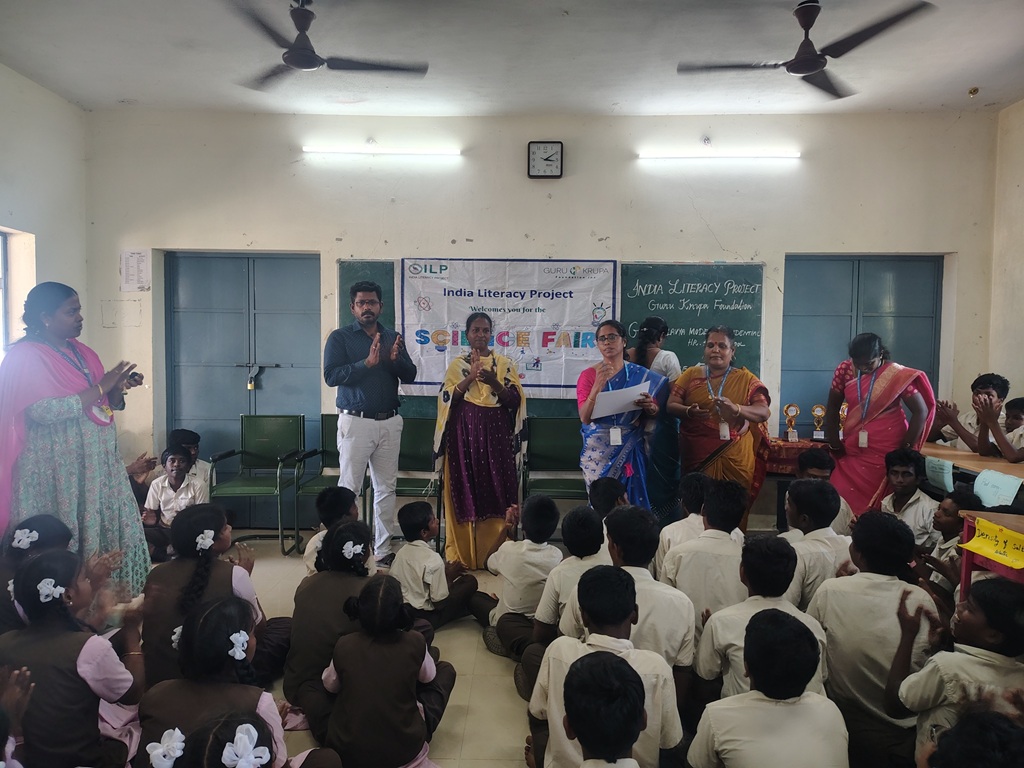
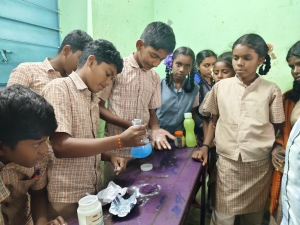
At Ekalavya Model Residential School in Tamil Nadu, where many tribal students face limited academic exposure, teachers Rajalakshmi, Nandhini, and Sowndharya chose to believe in their potential. Over three days of guiding students through simple experiments and breaking down concepts, the physics lab came alive with curiosity and excitement. Ultimately, 39 students stepped forward not just to participate, but to confidently present and share their ideas, leaving a lasting impression on everyone present.
Most government school students study science from a textbook. Very few have ever done a science experiment.
In India’s government schools, science is overwhelmingly taught through chalk-and-talk. The National Education Policy 2020 emphasizes experiential and competency-based learning, but the reality on the ground is that most schools lack basic lab equipment. Students memorise definitions and diagrams for exams without ever seeing a prism split light, building a circuit, or testing the pH of a solution. The result: science feels abstract, disconnected, and forgettable. Students who could develop genuine scientific curiosity instead develop a fear of the subject.
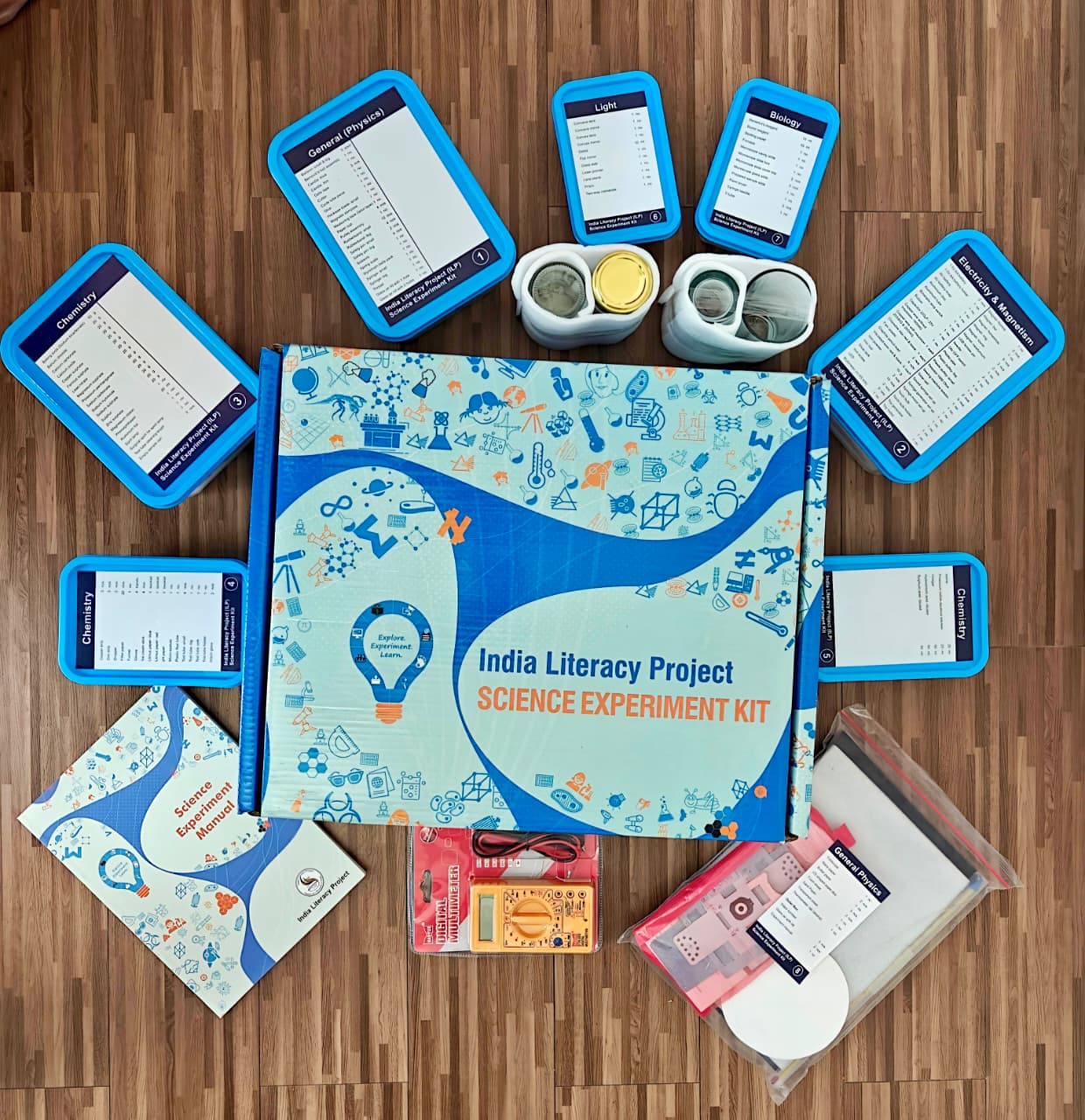
A lab in a box — 150+ experiments that turn science from a subject into an experience
India Literacy Project’s Science Kit is a compact, self-contained “Lab-in-a-Box” that brings hands-on science to any classroom — no separate lab room needed. Each kit contains materials for over 150 experiments across Physics, Chemistry, and Biology, using a mix of everyday materials and a few specialized components. But the kit alone isn’t the programme. What makes it work is the structured teacher training, detailed experiment manuals with step-by-step instructions, demo videos, and ongoing classroom support that ensures teachers actually use the kit regularly.
Every experiment is aligned with the NCERT curriculum for Grades 5–10. Annual science fairs give students a platform to design, test, and present prototypes — moving them from “why” to “how” while developing problem-solving skills and confidence.
150+ curriculum-aligned experiments
Covering 200 concepts in Physics, Chemistry, and Biology across Grades 5-10, mapped directly to NCERT concepts.
Teacher training first
Teachers explore and experiment with the kit themselves before ever using it with students.
Manuals & demo videos
Step-by-step manuals and short demo videos make every experiment easy to run. Kit contains everyday items and some specialized components that can be locally sourced and replenished.
Annual science fairs
Students design, test, and present prototypes at school and district-level science fairs — building problem-solving skills, presentation confidence, and community pride.
From kit delivery to science fair
Here’s how ILP transforms science teaching in a government school.
School selection & kit distribution
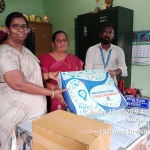
ILP works with state education departments and district officials to identify schools. Kits are distributed to science teachers along with the complete set of manuals.
Hands-on teacher training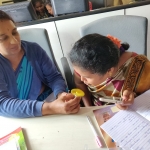
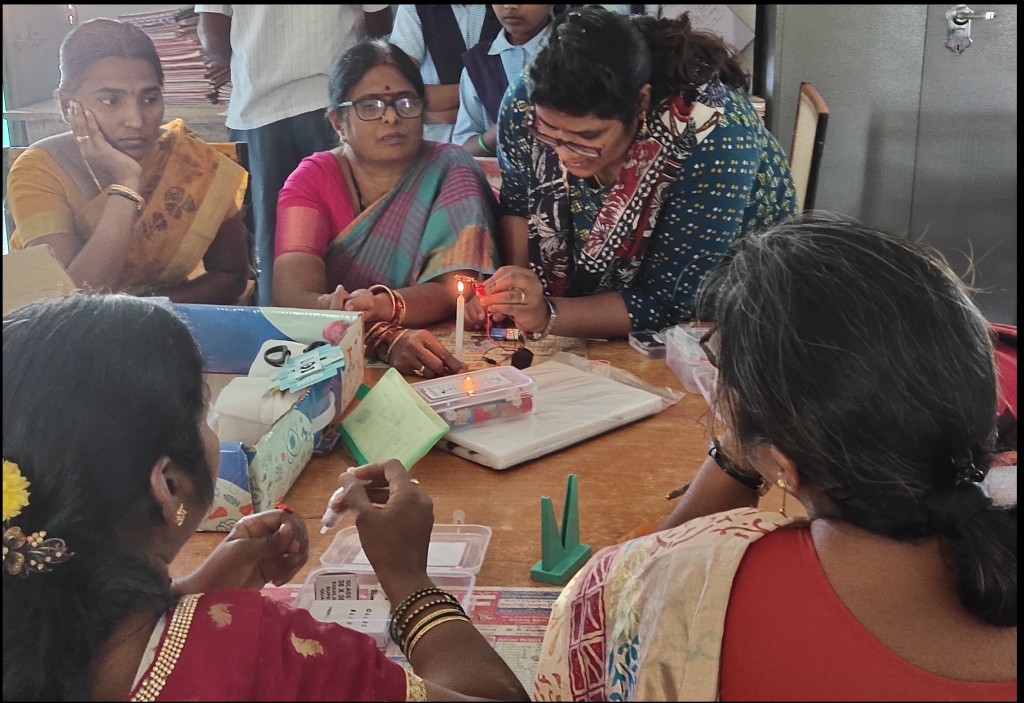
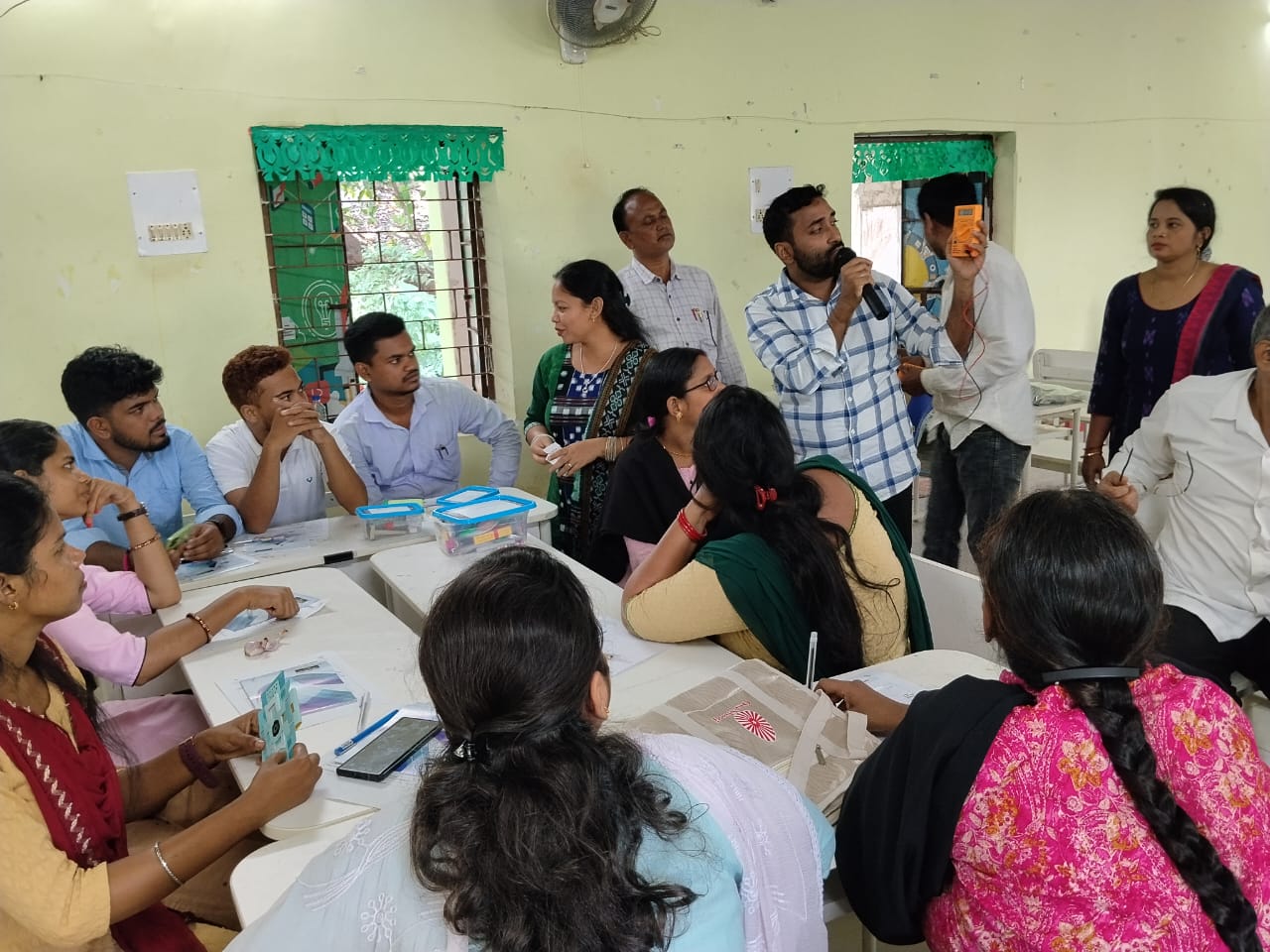
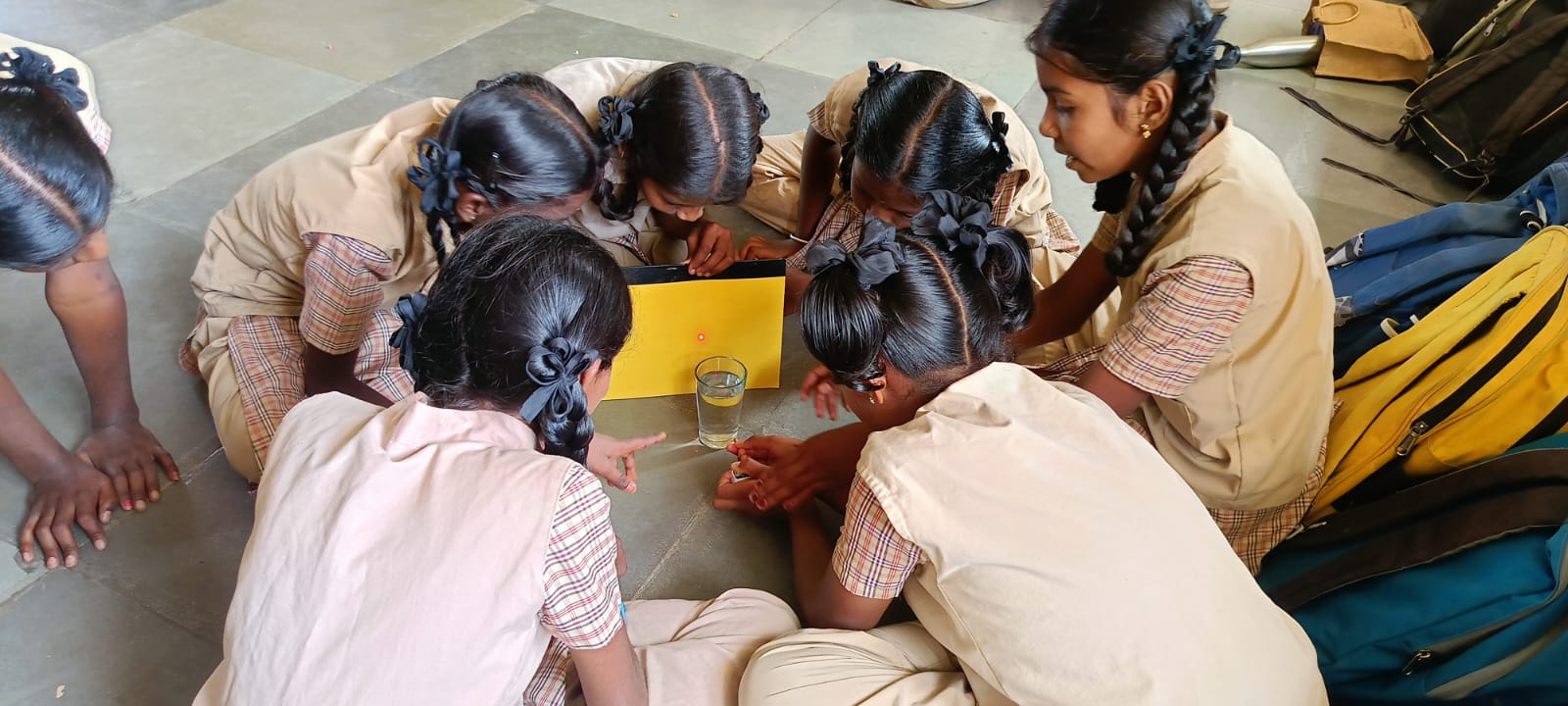
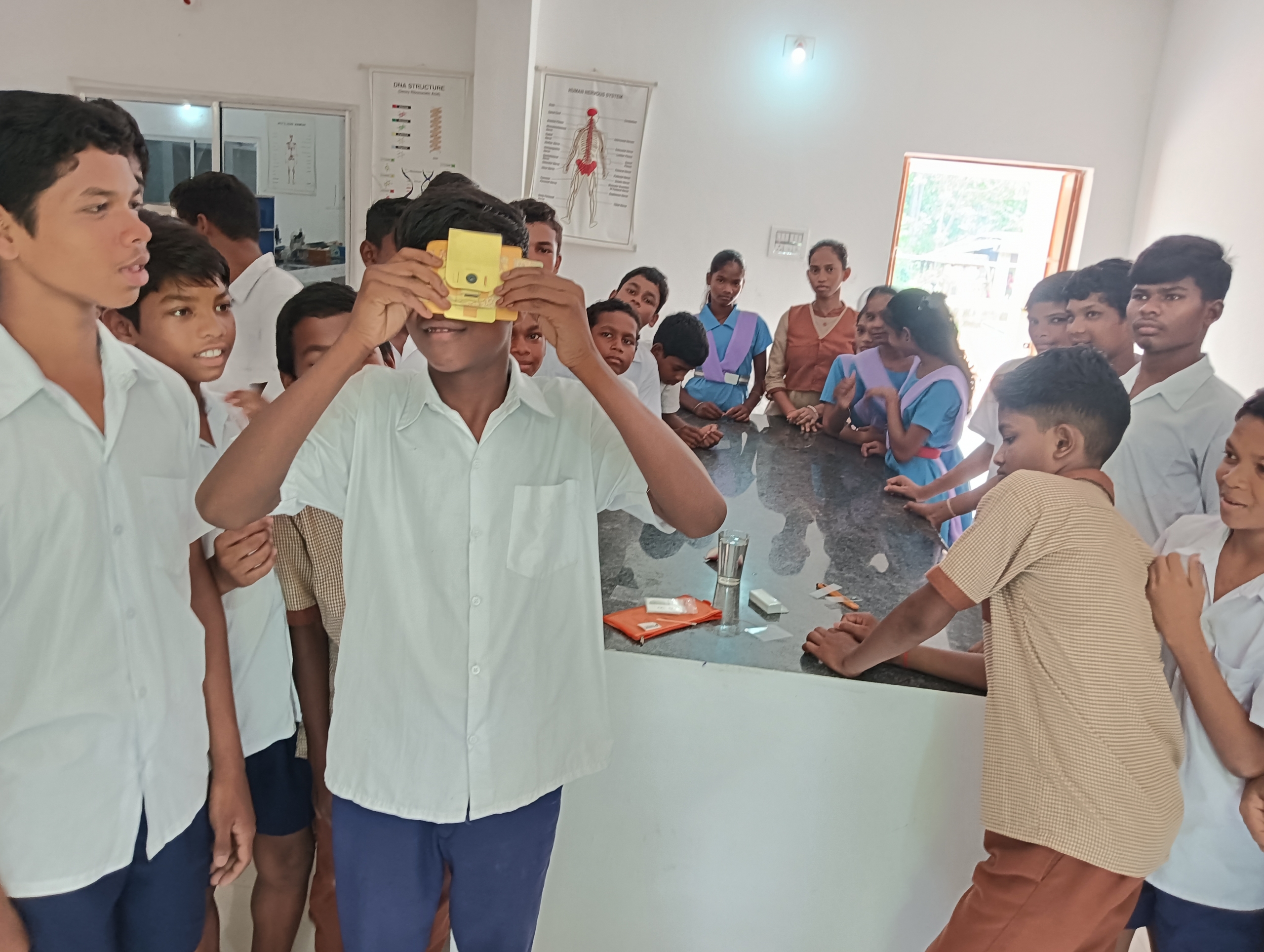
Teachers attend practical training workshops where they perform experiments themselves — discovering how simple concepts turn into powerful learning moments. They practice each method before using it with students. Refresher training and ongoing classroom support follow.
Regular classroom experiments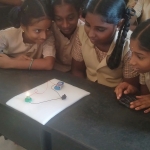
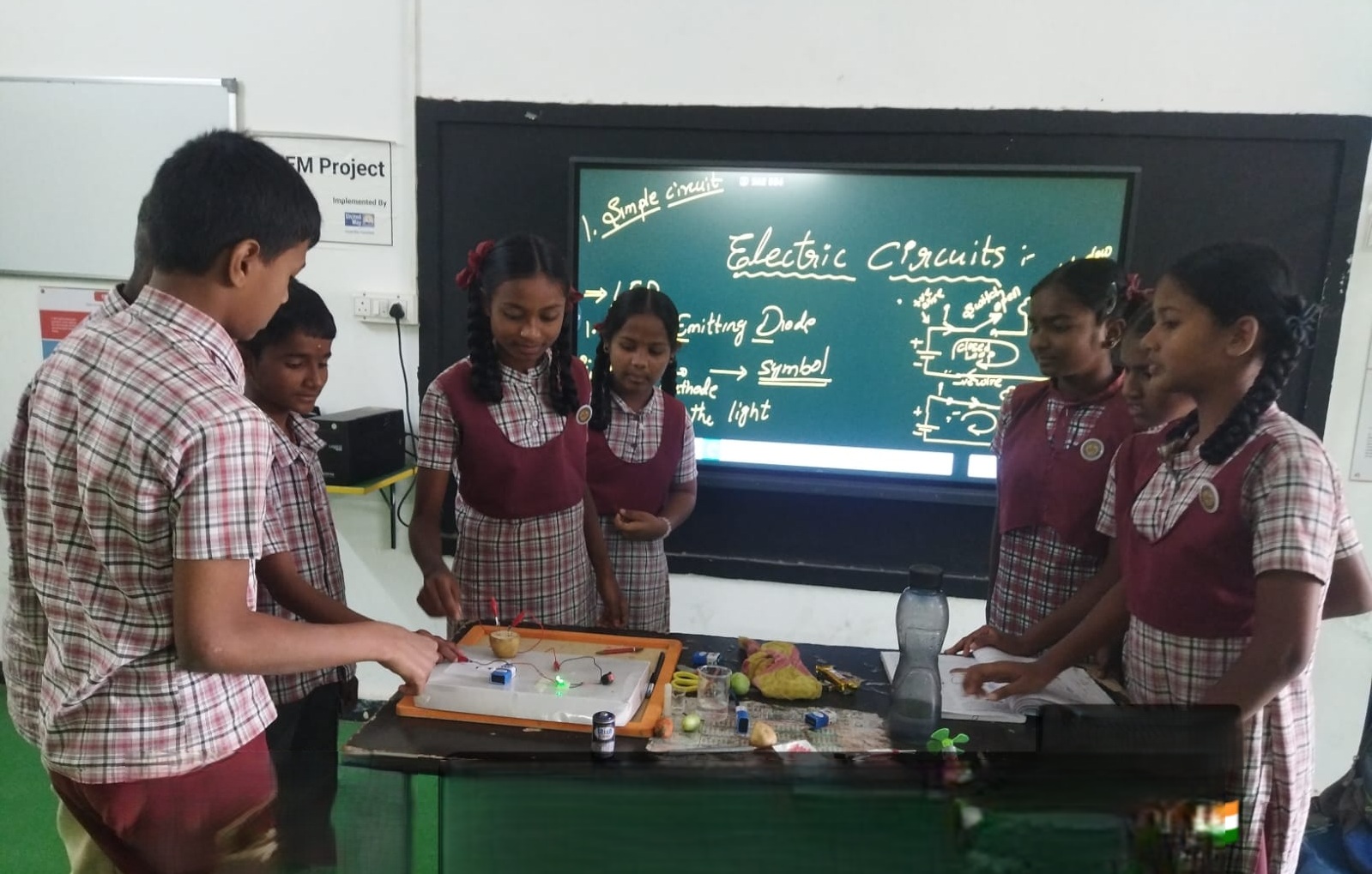
Teachers integrate experiments into their regular teaching plan, mapped to NCERT textbook chapters. Students build hovercrafts to learn Newton’s Third Law, test pH with homemade indicators, use convex mirrors from the kit alongside actual car mirrors to understand optics. Learning shifts from memorising to understanding.
Science fairs & student presentations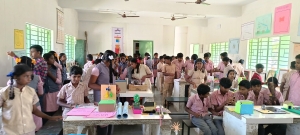
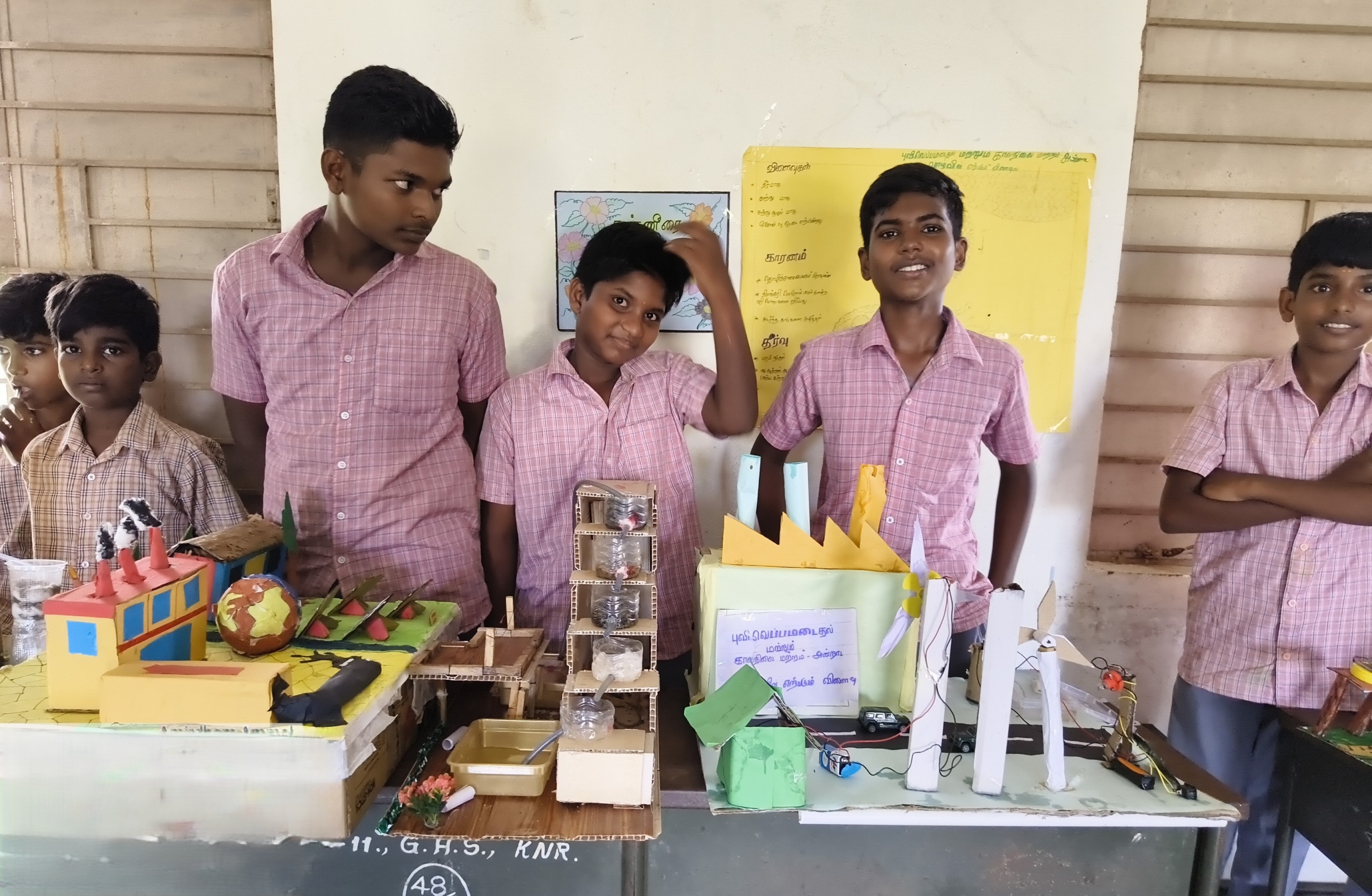
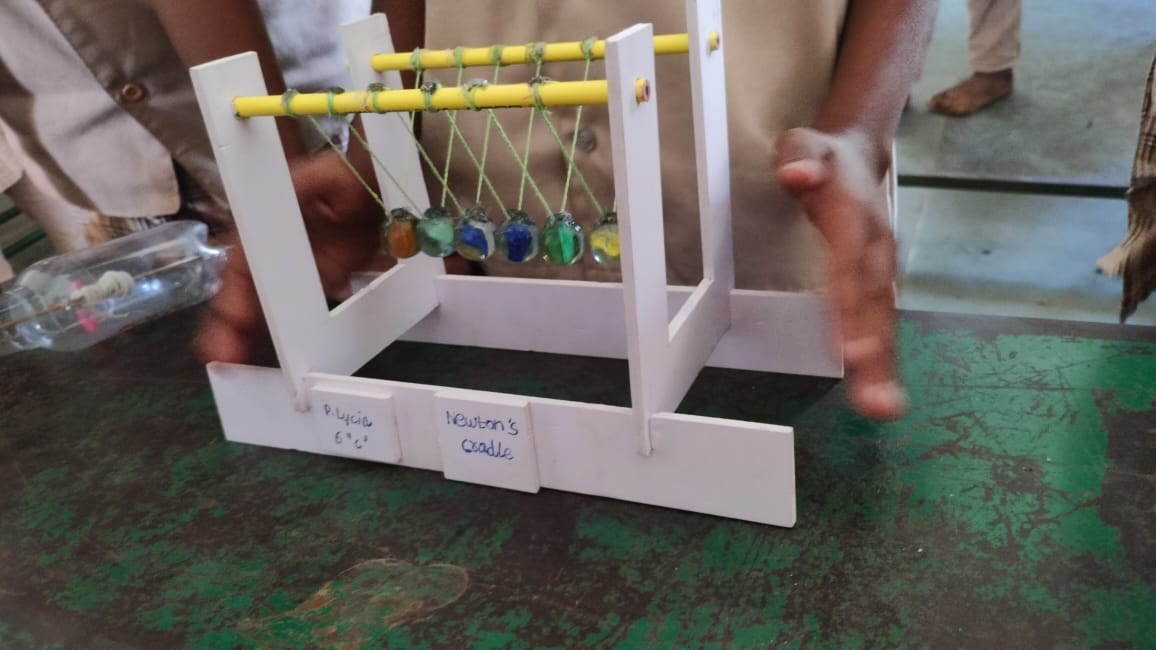
Annual science fairs at school and district levels give students a platform to design their own projects, build prototypes, and present to judges and peers.
Monitoring & assessment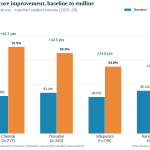
ILP tracks kit usage, teacher engagement, and learning outcomes through regular field visits and pre-post assessments. District teacher WhatsApp groups share experiences, experiments, and photos — creating a peer learning community that sustains momentum.
Making science tangible for every student
Cumulative impact across all ILP science kit deployments
When science becomes experiential, it stops being a subject to memorize and becomes something students genuinely understand. And once that shift happens, there’s no going back. The feedback from teachers was simple and honest: this works. And more importantly, we want more of this.
Partnering with state governments across districts
ILP’s Science Kit has been adopted through government partnerships in multiple states. The Government of Karnataka ordered kits for thousands of schools as part of their education strengthening initiative. In Tamil Nadu, kits are deployed in collaboration with the Department of School Education and IIT Madras under the Anaivarukkum IITM vision. Through CSR partnerships with Kennametal, HCL Foundation, JSW Foundation, and Guru Krupa Foundation, the program continues to scale across districts in Karnataka, Tamil Nadu, Andhra, Telangana, Odisha, UP and Jharkhand.
Moments from classrooms, trainings, and science fairs
Bring a science lab to a school that has none
One science kit (Rs 5,500) equips an entire school with 150+ experiments